
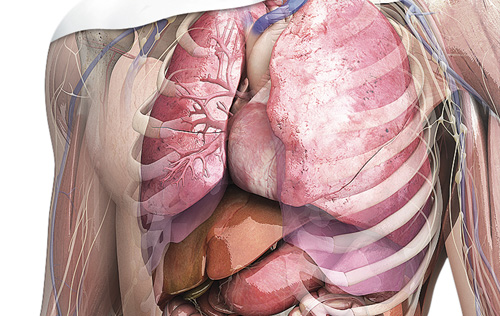
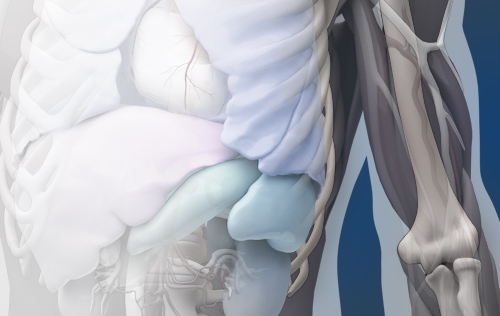
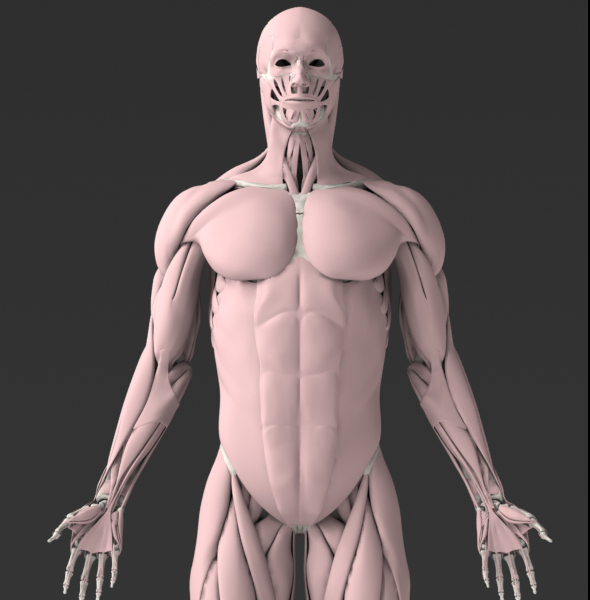
Solid 3D Male Muscular System
Modeling true-to-life kinematics? If you need inputs more sophisticated than simple spring elements, you need Zygote's 3D Muscular System.
Zygote's detailed Solid 3D Male Muscular System is perfect for:
- Kinematics Research
- Medical Product Design & Engineering
- Whole-Body Simulation
- Human Factors
Use Zygote's Solid 3D musculature to achieve true predictive modeling of systems involving mass interactions or movement of the human body.
A free eDrawing of this model is available. What is an eDrawing? Click here to find out more.
Zygote's Solid 3D Anatomy has set the standard in CAD and Simulation for over a decade.
- Formats:
- ProE/Creo
- IGES
- ParaSolid
- SolidWorks
- Step
- Delivery Method: Download
- Price: $7,010
"The Zygote model was perfect for all of our needs, and really came through for us in crunch time. The model itself was beautifully detailed and thorough. The separate systems were set up exactly as we needed them so that we could turn certain systems off and on with ease. The builds were so organized, we had no problems retexturing and isolating specific parts of the model. We were all very pleased and very impressed with the build."
Brad Powell / VFX Supervisor - CSI:NY
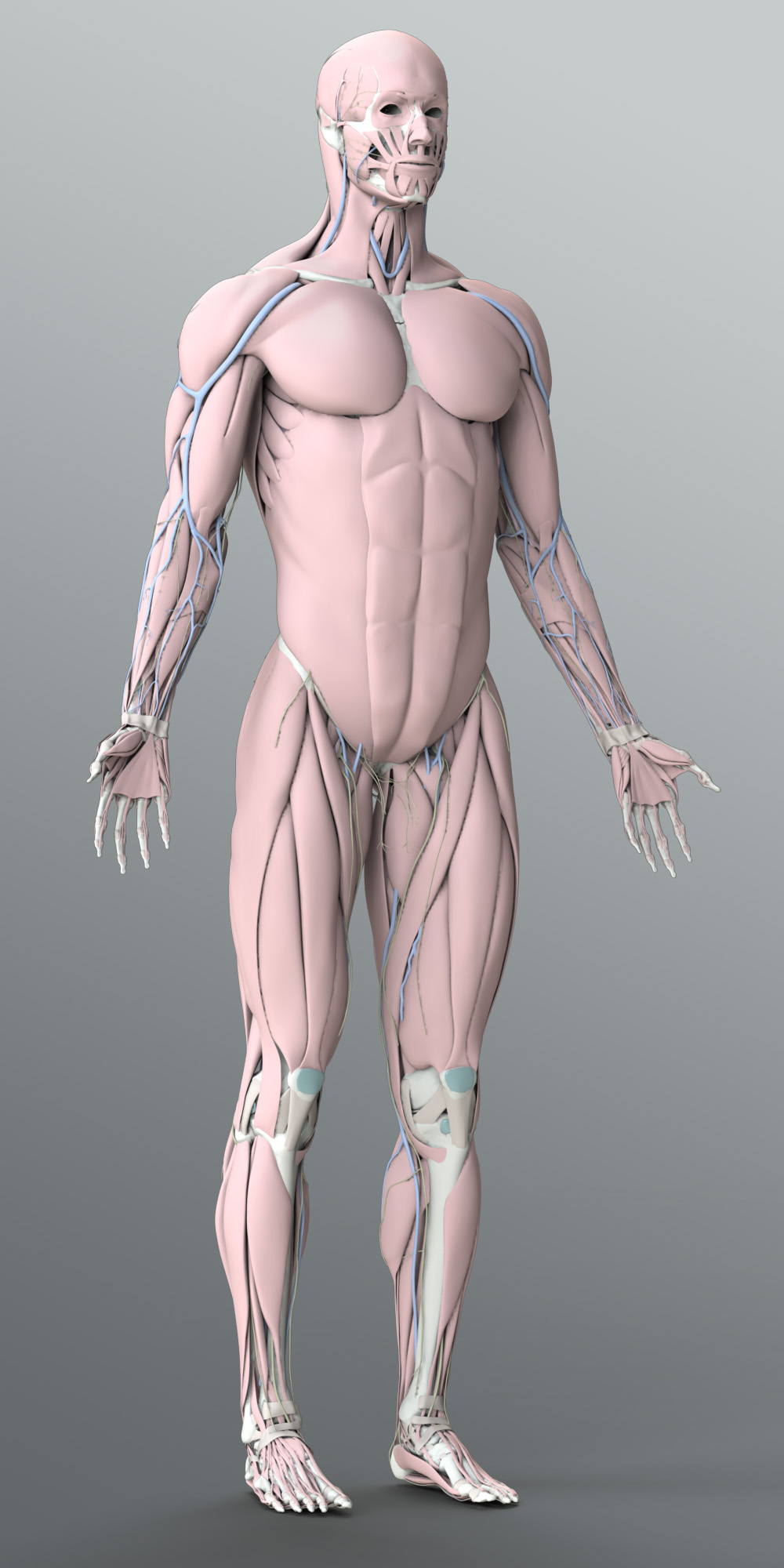
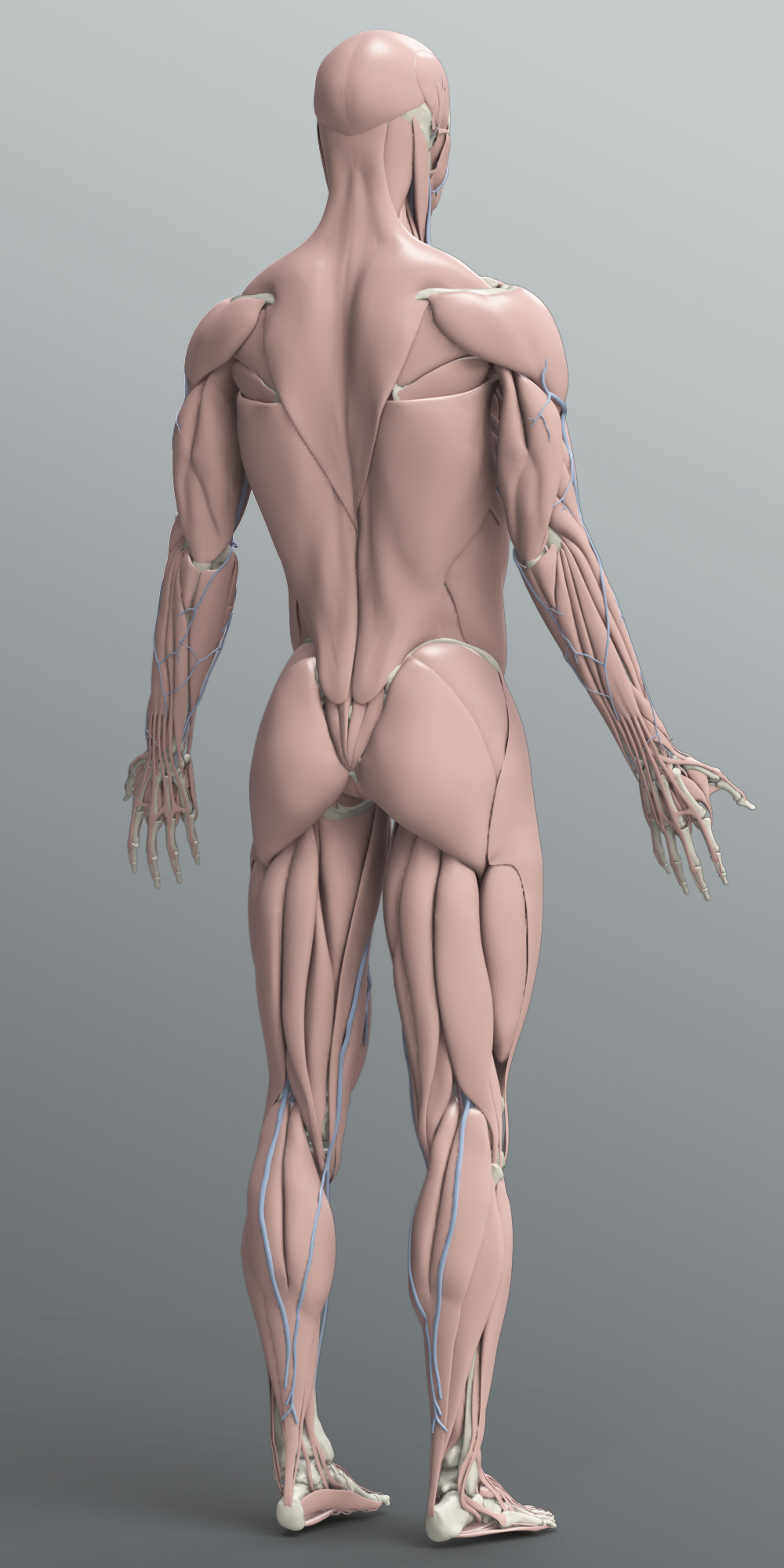
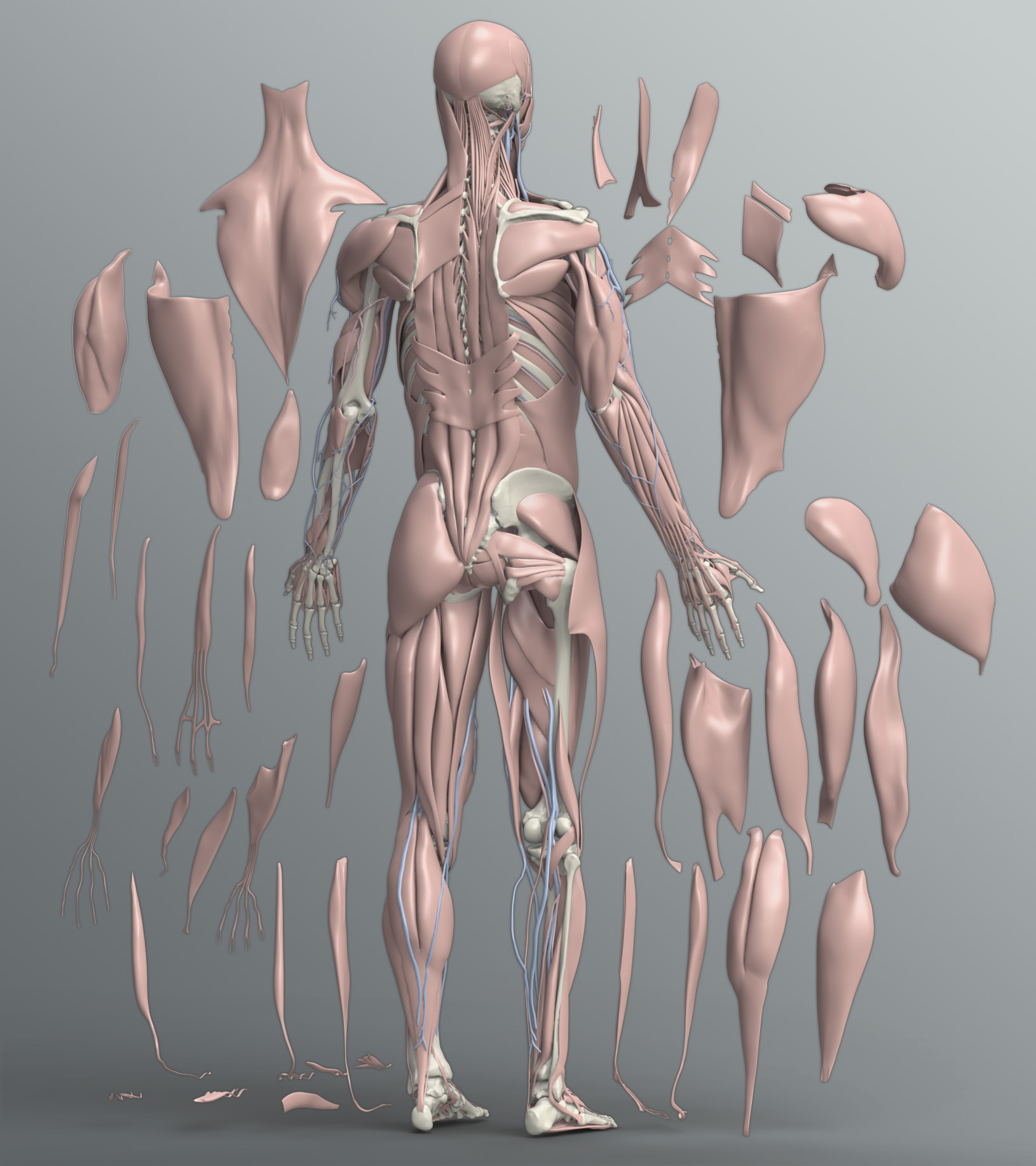
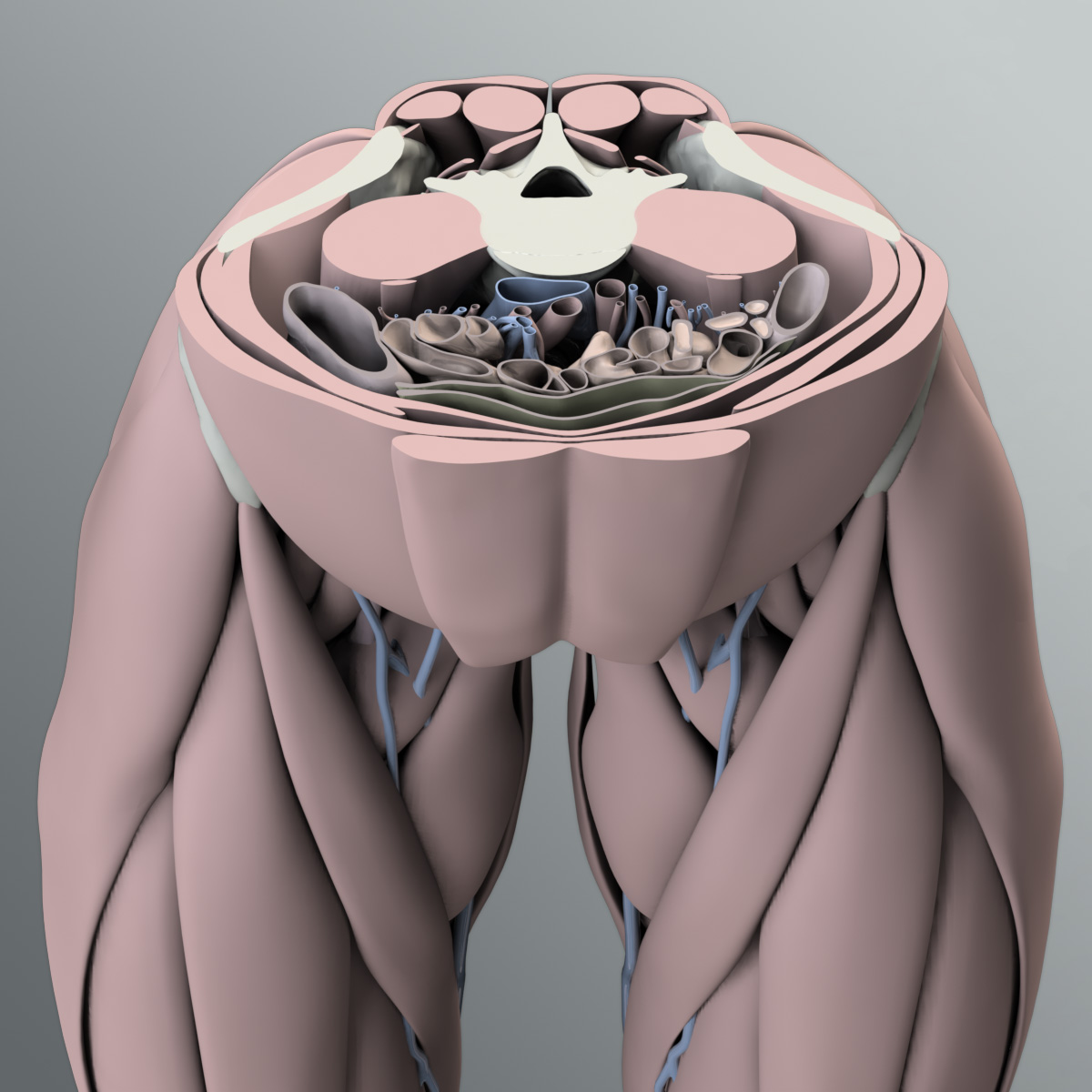
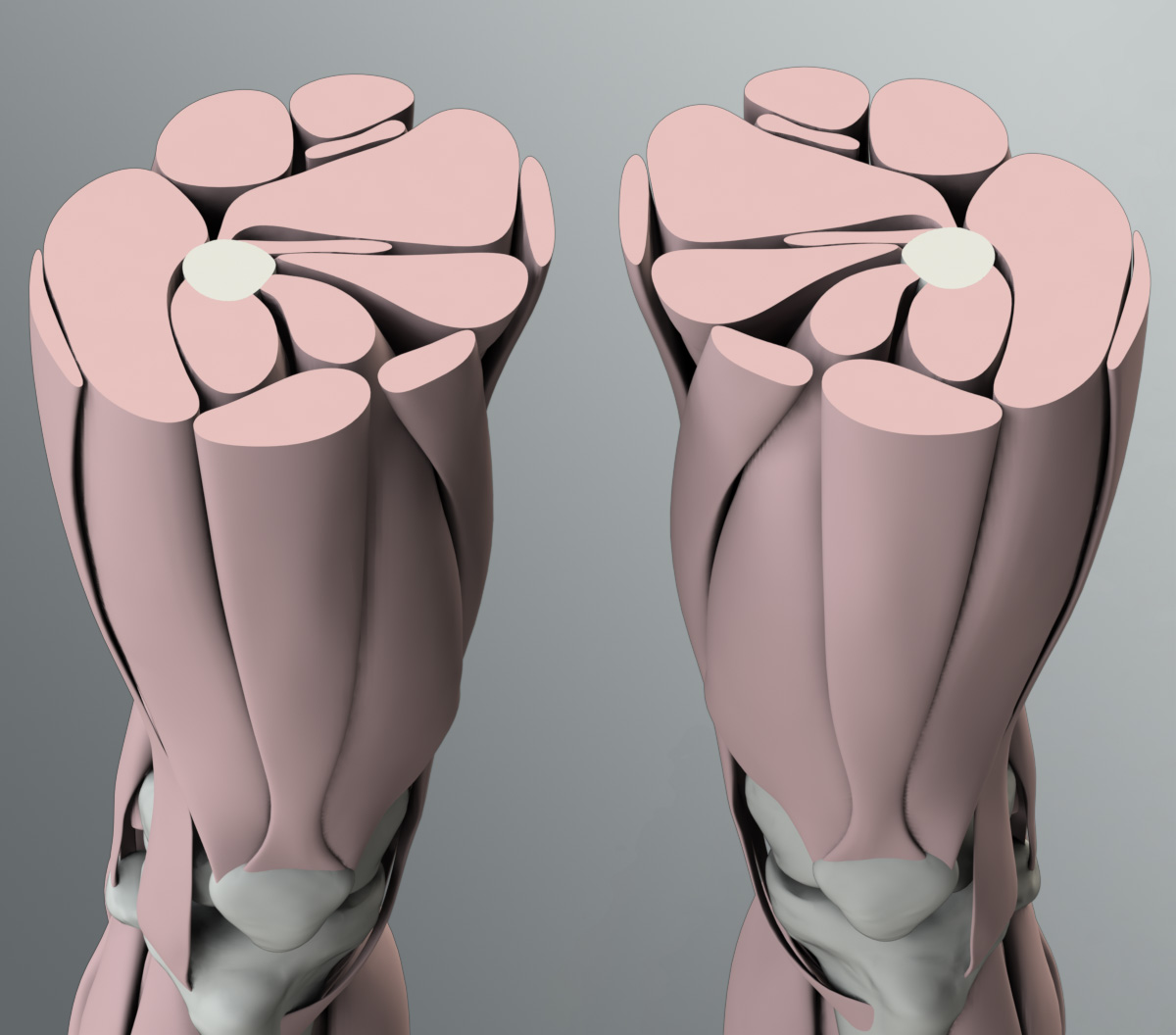
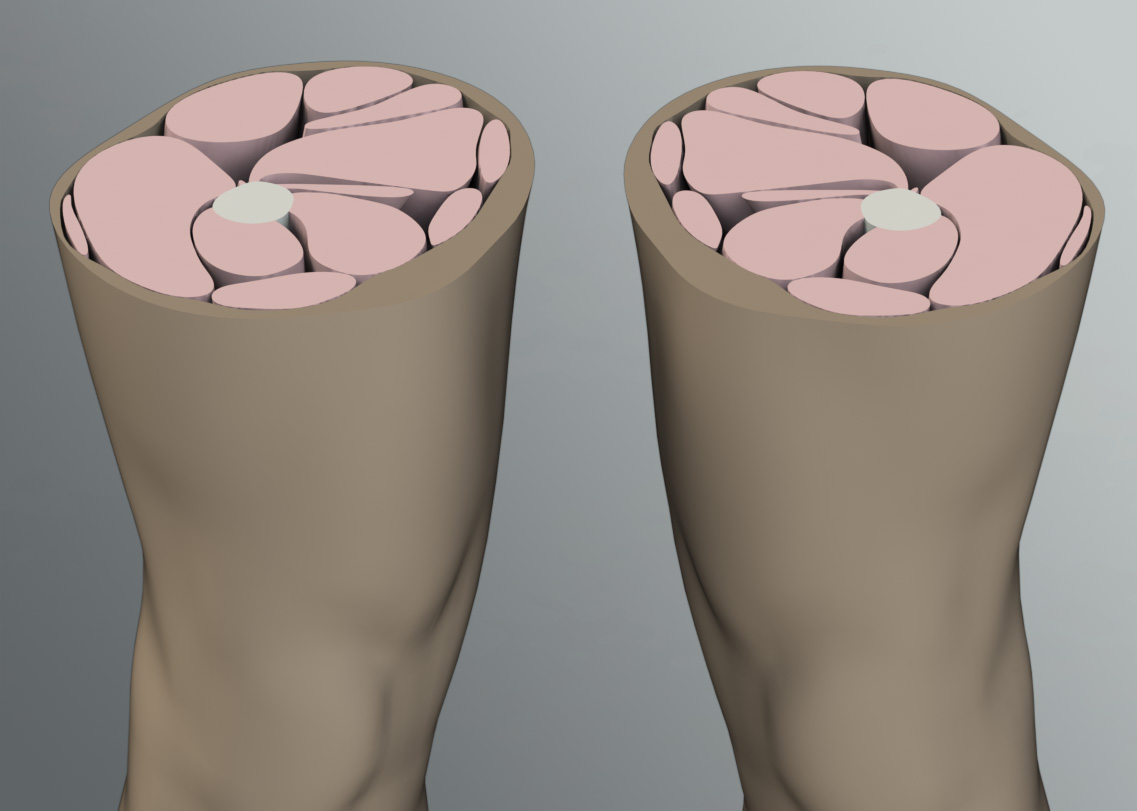
The Solid 3D Male Muscular System includes all of the major muscles of skeletal movement, individually named with standard nomenclature and organized as a separate part with no interpenetration between muscles. The superficial surfaces of each muscle were created by hand using scan data of a 50th percentile (by height and weight) U.S. male as templates for construction. Origin and insertion points were carefully crafted using scan data, using the skeletal landmarks characteristic of such muscle attachments and using atlases and other published source material.
Muscles are connected to the skeleton in two ways between which customers may select. In the first connection option, the muscles extrude into the bones at the origins and insertions. Though interpenetrating geometry is often not allowed in simulations, this method results in a lighter data set that is less taxing on computer systems. The second method for muscle connections uses trims in every instance where a muscle originates or inserts with a bone. This treatment is heavier, more detailed data and as such it is more taxing for systems to process, but it maintains a more true origin and insertion system and connection of muscle to bone.

Creators of the world's leading 3D human anatomy models for use in medical illustration, animation, engineering, simulation, and anatomy software products.
2015 © All Rights Reserved. Privacy Policy | Terms of Service | Careers